• Hi Guest Just in case you were not aware I wanted to highlight that you can now get a free 7 day trial of Horseracebase here.
    We have a lot of members who are existing users of Horseracebase so help is always available if needed, as well as dedicated section of the fourm here.
    Best Wishes
    AR

Does trainer form really matter? Interested in people’s views.

Do you see trainer form as:

A genuine positive when a yard is going well?

More useful as a warning sign when a yard is struggling?

Already built into the price most of the time?

Only relevant at certain times of year, such as early season?

Or something you largely ignore?

I’m particularly interested in whether people think declining trainer form is more useful than improving trainer form.

I’ll post some findings afterwards, but I’d like to hear people’s views first.
 
What a strange query? Never mind the horse if the connections are not trying to win for whatever reason it won't!
Just added a rider to my comment; it's all about money and the best horses garvitate to the most successful trainers.
 
Last edited:
Following on from my earlier question, I’m now looking less at whether a trainer is simply “in form” and more at the direction of travel.

For example:

A trainer with weak figures but improving trend.

A trainer with strong figures but starting to tail off.

A trainer with poor figures and no sign of improvement.

A trainer ranked high or low compared with the other trainers in the same race.

That might be more useful than just saying a yard is hot or cold.

The angle I’m most interested in is whether trainer form works better as a warning sign, a turn-up signal, or simply a piece of background context.

I’ll post some findings shortly, but interested in any thoughts on whether people look at the trend behind trainer form rather than just the headline figure.
What a strange query? Never mind the horse if the connections are not trying to win for whatever reason it won't!
Just added a rider to my comment; it's all about money and the best horses garvitate to the most successful trainers.
Not sure what you mean?
 
I’m asking whether recent stable performance adds any useful context once the market has already had its say. For example, are horses from yards with declining recent results underperforming expectation, or is that already fully priced in?

The money point is also part of the question. Bigger and more successful yards get better horses, but the market usually knows that. So I’m more interested in whether a yard is outperforming or underperforming expectation, rather than just counting winners.

So for me it’s not “never mind the horse”. It’s more: does trainer form add a small warning sign, confidence boost, or nothing useful once everything else is considered?
 
I will take notice of a large stable out of form but I expect variations for time of year e.g. Tim Easterby's usually need a couple of runs early season (except not last season).

Smaller stables have few runners and it's then difficult to judge whether they're in form.

Possibly the most useful indicator is when a stable has been out of form but then starts getting a few placed horses.
 
What a strange query? Never mind the horse if the connections are not trying to win for whatever reason it won't!
Just added a rider to my comment; it's all about money and the best horses garvitate to the most successful trainers.
Do you mean like this?

John Ryan​


Angle: AdjSteamer 30%+
Price band: BSP > 6.00 to <= 10.00


This is another strong backing angle. From 117 runners, there were 25 winners, giving a strike rate of 21.37%. Profit was 72.40, POT was 61.84%, and AE was **1.66`.


What stands out is the strike rate. For runners in the 6–10 BSP range, a 21.37% strike rate is very strong. The AE of 1.66 suggests the market has historically underestimated this setup.


Report wording:
John Ryan shows a strong positive record with major adjusted steamers in the 6–10 BSP band. The strike rate is high for the odds range, and both profit and AE suggest this is a meaningful trainer-market signal rather than random noise. These runners should be taken seriously when they appear on the live watchlist.
 
I’m asking whether recent stable performance adds any useful context once the market has already had its say. For example, are horses from yards with declining recent results underperforming expectation, or is that already fully priced in?

The money point is also part of the question. Bigger and more successful yards get better horses, but the market usually knows that. So I’m more interested in whether a yard is outperforming or underperforming expectation, rather than just counting winners.

So for me it’s not “never mind the horse”. It’s more: does trainer form add a small warning sign, confidence boost, or nothing useful once everything else is considered?
I come from a point of view that everything is priced in the nth degree now by the time you have found an edge it will be priced in going forward unless you have something completely unique that only you have access to and can’t be derived by others with the available data, no real edge can be found on finalised market prices, I guess you have found something different and I will be surprised ?
 
Last edited:
I will take notice of a large stable out of form but I expect variations for time of year e.g. Tim Easterby's usually need a couple of runs early season (except not last season).

Smaller stables have few runners and it's then difficult to judge whether they're in form.

Possibly the most useful indicator is when a stable has been out of form but then starts getting a few placed horses.

Tim Easterby​


Angle: AdjSteamer 10% to 20%
Price band: BSP > 2.00 to <= 4.00


This is a shorter-price backing angle. From 120 runners, there were 53 winners, giving a very high strike rate of 44.17%. Profit was 36.33, POT was 101.37%, and AE was 1.33.


This is less explosive than the bigger-price angles, but it is much more reliable in strike-rate terms. It looks like a strong “solid favourite / near-favourite market confidence” profile.


Report wording:
Tim Easterby has a strong record with moderate adjusted steamers in the 2–4 BSP band. The strike rate is excellent, and the AE above 1.30 suggests the move has carried genuine predictive value. This is more of a high-confidence, shorter-price betting signal than a big-value outsider angle.
 
Hi T tony spencer

Perhaps some seasons are worse than others depending on the Quality of the Horses in the yard and a comparison of this years season with previous years. Also at the festival some trainers will be bringing their stable along for those and peaking at that time of the festival

View attachment 166699View attachment 166700
Dan Skelton horse thrashed within an inch of their life to get accolades, or being given an easy time for a future race and not even trying, how trainer form can be applied to a man like him, god only knows.
 
I think a lot of people get false information of in form or not with a lot of stables like is it a top stable or low stable and what i mean is say its top stable you would expect plenty winners from yard as they do better but also have a lot more shorter prices than weaker stables.
So what i done is started looking at 14 day runs and checked the odds of the horses and first thing were looking at is horses who should have had chance in race as the amount of times i have seen them on tv saying this stable is flying and when you look at the last 14 days they have had three winners from about 25 and they have had maybe 10 beat lower than 3/1 so is that stable flying i don't think so it is actually underperforming for the stables ability. Then you get the stable with not a lot of horses but maybe had 3 or 4 run well from 10 runners and at decent prices so you know this stable has not got the fire power but is doing well with bigger prices yet no winners then all of a sudden you see them with one at 3/1 and your thinking this is there first chance to really win a stable going well considering odds and now live one.
So you have to watch percentages they don't tell truth yes you will get one running at 3o percent and say absolutely flying b maybe its just appelby getting loads of odds on winners and it is just expected and does not mean he will win with every runner just the shortest of the short.
Take other trainer i noticed very quickly after cheltenham skelton run a lot of poor runners and he was really struggling to get winners and they where all getting backed to fav and i instantly said he is now winding down his top horses for aintree i even mentioned it to AI in a chat i had at time.
But just before aintree he actually had three poor horses all same owners to two at one meeting and one at other some owners had went to the bigger meeting and they both won and some owners where at the one runner meeting waiting for treble that one to so he hit soild treble he actually had 4 winners that day so i knew hes back right for aintree and look what he done there won everything so his was purpose done nothing to do with form just letting them down till time right.
So the answer i feel is you have to really know if there out of form take any trainer today look at his last 14 days work out is he in form or not but not by percentages by chances being real what i have noticed is they don't really take trainers form into account in betting not less they really are winning with every thing which is rare.
 
I come from a point of view that everything is priced in the nth degree now, no real edge can be found on finalised market prices, I guess you have found something different and I will be su

Would a poor trainer-form figure put you off a horse?

Example:

I fancy Horse A on my ratings, but the trainer-form figure is only 0.50.

Should that be a reason to leave it alone?

Maybe. But I think the trend matters.

If the trainer is on 0.50 and improving, that might simply mean the yard has been quiet but is starting to turn a corner.

If the trainer is on 0.50 and deteriorating, that feels much more negative.

So I’m less interested in the headline trainer-form figure by itself, and more interested in the direction behind it.

Weak figure + improving trend = possible recovery.

Weak figure + flat trend = caution.

Weak figure + deteriorating trend = stronger warning.

That seems more useful to me than just saying a trainer is “in form” or “out of form”.
 
well lets look at t easterby last 5 years he runs at 8% this year running at 8% last 14 days running at 8% so that's a strong state of 8% on everything what else we know d allan runs on all his fancied horses which is true by betting d fentamin on the bigger prices hes had 10 runners last 14 days 5/1 or less one winner few seconds so you would feel they have been just short of hitting top form but has had three winners bigger odds all with fentiman so he can get one at decent price up to likely surprised him to i would imagine at time.
We already know hes 8% trainer as proved that over 5 years so is he one to follow not sure about that will he hit spell higher than 8% on any given 14 days i am sure he will but the reason people find him hard to read is he has alot of lossers for winners and time you notice him having his little spurt winners hes back to his 8% so you wont get long run of winners just odd spurt then back.
 
I think trainer form matters but with caveats because in my experience systems purely based on a trainer can be very brittle going forward vs the past data it's based upon.

If your angle is quite esoteric and/or using info at least not available to the world and his wife, I would say an edge is possible, but possibly more at early prices.

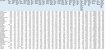
I can see from my data that some trainers have levels of seasonality and some don't, plus which ones are going in or out of form, or being consistent over the last x days.

See cut down version of one of my reports below, this show stats for all trainers at Sandown today
 

Attachments

  • Trainers at Sandown stats 20260425.jpg
    Trainers at Sandown stats 20260425.jpg
    582.5 KB · Views: 7
Last edited:
Trainer Form Study: Findings and Conclusions
Data from 2016-01-01 onward | Testing trainer form against market expectation

Key message: trainer form is useful as a context layer, not as a standalone betting system. The direction of travel matters more than the headline number.


1. What I Was Trying To Find Out​

The aim was not simply to prove that a 'hot trainer' is worth backing. The real question was whether trainer form adds useful information once the market price has already had its say.

In practical race-reading terms, the question was: if I already like a horse on my ratings, should a poor trainer-form figure put me off?

The answer from this work is: not automatically. The same trainer-form number can mean different things depending on whether the yard is improving, flatlining, or deteriorating.

2. Data Used​

ItemDescription
Race dataFlat-racing data from 2016-01-01 onward.
Trainer-form sourceLatest trainer-form snapshot available before each race date.
Leakage ruleThe race itself was not allowed to be included in the trainer-form figure.
Market measureSP was treated as fractional odds, so SP 3 means 3/1.
Main testCompare trainer-form groups against market expectation and the all-runner baseline.


3. Inputs Used​

The trainer-form layer was built from these main inputs:

InputWhat it means
Trainer_AE_15Longer recent trainer performance measure.
Trainer_Daily_AE_10Shorter daily/recent trainer performance measure.
Trainer_Daily_AE_10_TrendDirection of travel: improving, about same, or deteriorating.
TrainerRunsBeforeHow many previous trainer runners the figure was based on.
ConfidenceRatingHigh, Medium, Low or None, based on sample size.
Trainer_AE_15_AdjAdjusted AE figure to reduce overreaction to small samples.
Trainer_Daily_AE_10_AdjAdjusted Daily AE10 figure to reduce overreaction to small samples.
TrainerFormRankTrainer strength rank within the race compared with the other trainers.


4. How I Measured It​

The important point was to measure trainer form against market expectation, not just raw winners.

Strike rate: winners divided by runners.

Profit/loss: one-point level-stake profit using fractional SP.

POT %: profit divided by bets.

Expected wins: calculated from the market using 1 / (SP + 1).

ActualVsMarket AE: actual winners divided by expected winners.

SP correction: because SP was stored as fractional odds, a winner at SP 3 returns +3 points, while a loser returns -1 point. Market probability is 1 / (SP + 1).


5. Baseline Result​

The all-runner baseline is the benchmark used to judge whether a trainer-form group is better or worse than normal.

Baseline measureResult
Runners739,112
Winners76,719
Strike rate10.38%
ActualVsMarket AE0.92
POT-25.47%
Average SP22.15
So the key comparison point is: better than AE 0.92 and better than -25.47% POT is outperforming the all-runner baseline.

6. Main Trend Results​

TrendRunnersStrike RateActualVsMarket AEPOTInterpretation
Improving248,59511.73%0.95-21.94%Best overall trend group; better than baseline.
About same / stale237,0868.00%0.86-31.06%Worst group; weak or stale form is the main caution.
Deteriorating253,43111.28%0.94-23.62%Mixed; not automatically terrible.


7. What The Results Suggest​

High trainer AE is not enough by itself. Very high trainer-form figures may already be priced in, may be noisy, or may not overcome race factors such as pace, draw, finishing strength and behaviour.

The 'turn-up' angle is more useful. A yard with ordinary or even weak figures but an improving trend can be more interesting than a yard with a big headline number.

The main negative is weak and stale. The strongest caution is weak trainer form with no sign of improvement and a decent sample size.

Deteriorating is mixed, not a knockout. Deteriorating trend should not be treated as a hard negative by itself.

Small samples should be softened. Low confidence readings should not be used as strong positives or negatives.

8. Practical Rules For Race Reports​

Report labelRule
GREEN / small positiveImproving trend with high or medium confidence.
AMBER / mixedDeteriorating trend or high AE but cooling off.
RED / cautionWeak AE plus about-same/stale trend with decent confidence.
GREY / low confidenceSample too small; avoid strong conclusions.
Do not overpraiseHigh AE alone is only a supporting factor, not a main betting reason.


9. Example Race Ranking​

The table below shows how the trainer-form idea can be explained inside a race. This example uses Doncaster Race 5 as a simple illustration of ratings plus trainer-form context.

RankHorseRatings RankTrainer AETrendReport SetupFinal View
1U S S Constitution1/20.85 -> 1.15ImprovingStrong setup + draw helpStrong combined match
2Fire Eyes4/50.57 -> 0.48Flat / staleBest finisher; pace may suitChance, but trainer caution
3Queen Of Good News1/2Not main angleNeutralRatings strong, setup less clearRatings danger
4Union Island4/50.32 -> 0.54ImprovingDraw help + improving yardValue / secondary
5Pretty SpiritedMid1.91 -> 1.30DeterioratingLikely leader but pace riskRisk / do not overpraise


Example takeaway: U S S Constitution is the best combined example because ratings, draw, setup and improving trainer trend all point in the same direction. Fire Eyes shows why weak trainer form is not a knockout when the race shape strongly suits.


10. Final Conclusions​

Trainer form does make some difference, but not as a standalone betting system.

The market already knows a lot about successful trainers, so high trainer AE should not be overvalued.

The strongest useful signal is direction of travel: improving, stale, or cooling off.

A low figure such as 0.50 should not automatically put a horse off the list if the yard is improving.

The real caution is weak trainer form that is flat or stale, especially when based on a decent sample.

Trainer form is best used as a confidence or warning layer alongside ratings, pace, draw, finishing strength, market and behaviour.

Final view: trainer form should help frame confidence and caution, but it should never be a knockout factor on its own.
 
I pay more attention to recent trainer form, whenever they have a runner that's been off the track for more than 90 days. Theory being, that their runner might be more ahead on fitness and maybe the market hasn't caught on and is not priced in.

If attending the race, then a final check can be made in the paddock for positives on the fitness...etc.

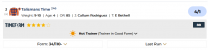
6.15 Musselburgh today - example.

Timeform have the Hot Trainer flag against a runner, off the course for 248 days. The Racing Post has the RTF @ 60%.

1777184193230.png

1777184291337.png
 
Trainer Form Study: Findings and Conclusions
Data from 2016-01-01 onward | Testing trainer form against market expectation

Key message: trainer form is useful as a context layer, not as a standalone betting system. The direction of travel matters more than the headline number.


1. What I Was Trying To Find Out​

The aim was not simply to prove that a 'hot trainer' is worth backing. The real question was whether trainer form adds useful information once the market price has already had its say.

In practical race-reading terms, the question was: if I already like a horse on my ratings, should a poor trainer-form figure put me off?

The answer from this work is: not automatically. The same trainer-form number can mean different things depending on whether the yard is improving, flatlining, or deteriorating.

2. Data Used​

ItemDescription
Race dataFlat-racing data from 2016-01-01 onward.
Trainer-form sourceLatest trainer-form snapshot available before each race date.
Leakage ruleThe race itself was not allowed to be included in the trainer-form figure.
Market measureSP was treated as fractional odds, so SP 3 means 3/1.
Main testCompare trainer-form groups against market expectation and the all-runner baseline.


3. Inputs Used​

The trainer-form layer was built from these main inputs:

InputWhat it means
Trainer_AE_15Longer recent trainer performance measure.
Trainer_Daily_AE_10Shorter daily/recent trainer performance measure.
Trainer_Daily_AE_10_TrendDirection of travel: improving, about same, or deteriorating.
TrainerRunsBeforeHow many previous trainer runners the figure was based on.
ConfidenceRatingHigh, Medium, Low or None, based on sample size.
Trainer_AE_15_AdjAdjusted AE figure to reduce overreaction to small samples.
Trainer_Daily_AE_10_AdjAdjusted Daily AE10 figure to reduce overreaction to small samples.
TrainerFormRankTrainer strength rank within the race compared with the other trainers.


4. How I Measured It​

The important point was to measure trainer form against market expectation, not just raw winners.

Strike rate: winners divided by runners.

Profit/loss: one-point level-stake profit using fractional SP.

POT %: profit divided by bets.

Expected wins: calculated from the market using 1 / (SP + 1).

ActualVsMarket AE: actual winners divided by expected winners.

SP correction: because SP was stored as fractional odds, a winner at SP 3 returns +3 points, while a loser returns -1 point. Market probability is 1 / (SP + 1).


5. Baseline Result​

The all-runner baseline is the benchmark used to judge whether a trainer-form group is better or worse than normal.

Baseline measureResult
Runners739,112
Winners76,719
Strike rate10.38%
ActualVsMarket AE0.92
POT-25.47%
Average SP22.15

So the key comparison point is: better than AE 0.92 and better than -25.47% POT is outperforming the all-runner baseline.

6. Main Trend Results​

TrendRunnersStrike RateActualVsMarket AEPOTInterpretation
Improving248,59511.73%0.95-21.94%Best overall trend group; better than baseline.
About same / stale237,0868.00%0.86-31.06%Worst group; weak or stale form is the main caution.
Deteriorating253,43111.28%0.94-23.62%Mixed; not automatically terrible.


7. What The Results Suggest​

High trainer AE is not enough by itself. Very high trainer-form figures may already be priced in, may be noisy, or may not overcome race factors such as pace, draw, finishing strength and behaviour.

The 'turn-up' angle is more useful. A yard with ordinary or even weak figures but an improving trend can be more interesting than a yard with a big headline number.

The main negative is weak and stale. The strongest caution is weak trainer form with no sign of improvement and a decent sample size.

Deteriorating is mixed, not a knockout. Deteriorating trend should not be treated as a hard negative by itself.

Small samples should be softened. Low confidence readings should not be used as strong positives or negatives.

8. Practical Rules For Race Reports​

Report labelRule
GREEN / small positiveImproving trend with high or medium confidence.
AMBER / mixedDeteriorating trend or high AE but cooling off.
RED / cautionWeak AE plus about-same/stale trend with decent confidence.
GREY / low confidenceSample too small; avoid strong conclusions.
Do not overpraiseHigh AE alone is only a supporting factor, not a main betting reason.


9. Example Race Ranking​

The table below shows how the trainer-form idea can be explained inside a race. This example uses Doncaster Race 5 as a simple illustration of ratings plus trainer-form context.

RankHorseRatings RankTrainer AETrendReport SetupFinal View
1U S S Constitution1/20.85 -> 1.15ImprovingStrong setup + draw helpStrong combined match
2Fire Eyes4/50.57 -> 0.48Flat / staleBest finisher; pace may suitChance, but trainer caution
3Queen Of Good News1/2Not main angleNeutralRatings strong, setup less clearRatings danger
4Union Island4/50.32 -> 0.54ImprovingDraw help + improving yardValue / secondary
5Pretty SpiritedMid1.91 -> 1.30DeterioratingLikely leader but pace riskRisk / do not overpraise


Example takeaway: U S S Constitution is the best combined example because ratings, draw, setup and improving trainer trend all point in the same direction. Fire Eyes shows why weak trainer form is not a knockout when the race shape strongly suits.


10. Final Conclusions​

Trainer form does make some difference, but not as a standalone betting system.

The market already knows a lot about successful trainers, so high trainer AE should not be overvalued.

The strongest useful signal is direction of travel: improving, stale, or cooling off.

A low figure such as 0.50 should not automatically put a horse off the list if the yard is improving.

The real caution is weak trainer form that is flat or stale, especially when based on a decent sample.

Trainer form is best used as a confidence or warning layer alongside ratings, pace, draw, finishing strength, market and behaviour.

Final view: trainer form should help frame confidence and caution, but it should never be a knockout factor on its own.
I would break it down a bit cos some trainers favour certain types of races over others
 
Back
Top